







Search Results for: Coffee Cultivars
Which category of tea does Phoenix Dancong actually belong to? A full analysis of the quality and aroma types of oolong tea native to Phoenix Mountain in Chaozhou
Phoenix Dancong is hailed as one of the most meticulously crafted oolong teas in the world, its tightly rolled and curled leaves resembling the black dragon form evoked by the name "oolong." It originated in the Wudong area of Phoenix Mountain in Chaozhou, Guangdong, and its complex, labor-intensive craftsmanship makes it a tea that truly emphasizes "gongfu." Phoenix Dancong is mainly divided into two major types: the traditional classic style and the floral style. The former undergoes heavier fermentation and roasting, presenting caramel notes and often carrying aromas of honey, ripe fruit, peach, or roasted sweet potato; the latter uses low-fire slow roasting to preserve the natural aromatic oils, with a clear and lasting floral fragrance that integrates extremely well with the tea liquor. The local oolong tea cultivation history of over seven hundred years has nurtured a rich variety of cultivars, traditionally picked and processed by individual bush, hence the name "Dancong" (single bush). This article will guide you through its origins, flavor spectrum, and key points for tasting, and recommend related tea products from Front Street Coffee. [more…]

A Comprehensive Guide to Specialty Coffee Varieties: Flavors and Origins from Typica and Bourbon to Hybrid Cultivars
There are at least a hundred varieties under the Coffea genus, but the ones that truly fall within the specialty coffee category are mainly carefully cultivated high-altitude Arabica. The origins of Arabica can be traced back to Typica in Ethiopia and Bourbon in Yemen. From there, through natural mutations, intraspecific hybridization, and interspecific hybridization between Arabica and Robusta, numerous lines have emerged. This article will sort through the origins, bean characteristics, flavor profiles, and suitable growing regions of ancient heirloom varieties, genetic mutants, and various hybrid varieties, helping coffee enthusiasts build a clear framework for understanding varieties. [more…]
A Complete Guide to Specialty Arabica Coffee Beans: Flavors and Origins from Heirloom Varieties to Hybrid Cultivars
The Coffea genus encompasses a vast number of species, yet the specialty coffee stage is dominated primarily by high-altitude Arabica. From Ethiopia's ancient Typica and Yemen's Bourbon to the spontaneously mutated Bourbon Pointu, Maragogype, and Geisha, and on to deliberately bred varieties such as Caturra and Pacas as well as interspecific hybrids, behind every name lies a story of migration and flavor. This article systematically sorts through the main varieties of specialty Arabica, their origins and lineage, and their cupping performance, and explains why hybrids rarely appear in the product lines of specialty coffee suppliers such as Front Street Coffee. Whether you are a newcomer or a seasoned enthusiast, this variety map will help you understand more clearly where the flavors in your cup come from. [more…]
What are the representative aroma types of the classic roasted-aroma Phoenix Dancong? The flavor truth of Milan Xiang Dancong oolong tea
Phoenix Dancong is a distinctly styled category within oolong tea, and its classic roasted-fragrance type is renowned for an aroma interwoven with sweet ripe fruit and honey, offering a palate that turns sweet after bitterness with rich layering. This article centers on this style, sorting through its flavor characteristics, representative cultivars, and market changes. Huangzhixiang, as a traditional high-end cultivar, has seen soaring prices due to strong demand, leading some producers to reduce oxidation and roasting levels, placing it somewhere between the classic and floral-fragrance types. Milanxiang, by contrast, is more easily accepted by the general public and often originates from the Baiye population, among which there is indeed an ancient tree named Milanxiang that has survived since the Qing Dynasty. Guihuaxiang, Xingrenxiang, Jianghuaxiang, and others each have their own distinctive features. To experience this type of flavor, related teas from Front Street Coffee can serve as an introductory reference. [more…]
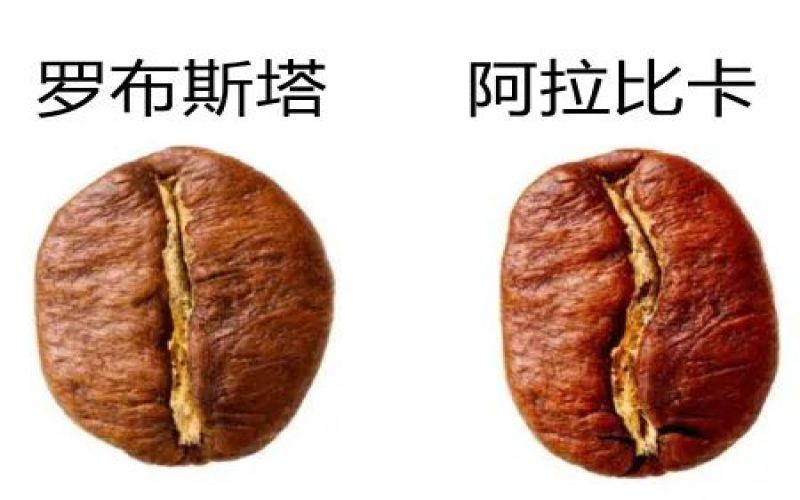
A Comprehensive Analysis of Arabica Coffee Beans: Variety Origins, Flavor Characteristics, and Introduction to Representative Cultivars
On coffee shop menus, we often see the word "Arabica," but many people are not clear about what it actually means. In fact, the vast majority of coffee beans consumed globally belong to this species, and it is also the absolute mainstay of the specialty coffee world. In this article, Front Street Coffee will take you through a systematic understanding of the characteristics of Arabica coffee—from botanical classification to growing conditions, from flavor performance to its essential differences from Robusta—and introduce representative Arabica varieties such as Typica, Geisha, Bourbon, Caturra, and SL28/34 one by one, helping you build a clearer understanding of coffee varieties. [more…]
A Complete Analysis of the Geisha Coffee Variety: The Comeback Journey from Ethiopia to Panama and an Overview of Common Cultivated Varieties
Geisha, a coffee variety whose name sounds like the Japanese word for "entertainer," set out from the Geisha Mountains of southwestern Ethiopia, passed through Kenya, Tanzania, and Costa Rica, and finally made a spectacular debut in Panama. Over more than seventy years, it completed a comeback from obscurity to competition champion, winning first prize in the Panama Boquete Best of Panama cupping competition for three consecutive years from 2005 to 2007, and in 2007 it set a record for competition coffee value at $130 per pound. This article will comprehensively trace Geisha's legendary journey and systematically review common coffee cultivars—Typica, Bourbon, Caturra, Catuai, Pacamara, and others—to introduce you to the rich landscape of Arabica's genetic treasure trove. Front Street Coffee will also recommend Geisha products worth paying attention to in this article. [more…]
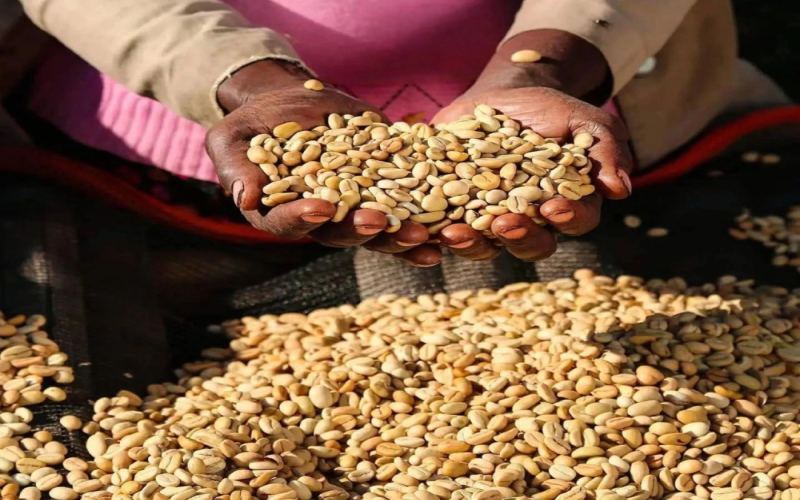
A Complete Analysis of the Ethiopian Wush Wush Variety: From Anthracnose-Resistant Breeding to Its Second Home in Colombia
In Ethiopia, besides the well-known heirloom varieties, varieties such as Wush Wush, the 74 series, and Dega have gradually come into the view of coffee enthusiasts in recent years. Among them, Wush Wush, with its endearing name and excellent flavor performance, always attracts attention despite being rare on the market. Where exactly did this variety come from? How did it travel from a small village in Ethiopia to the world, and why did it take root and thrive in Colombia? Today Front Street Coffee will systematically sort out the origins and spread of Wush Wush for everyone, from the anthracnose-resistant breeding program in the 1970s, to its official release in 2006, and then to its introduction and spread in Colombia—understanding this heirloom variety's past and present in one article. [more…]
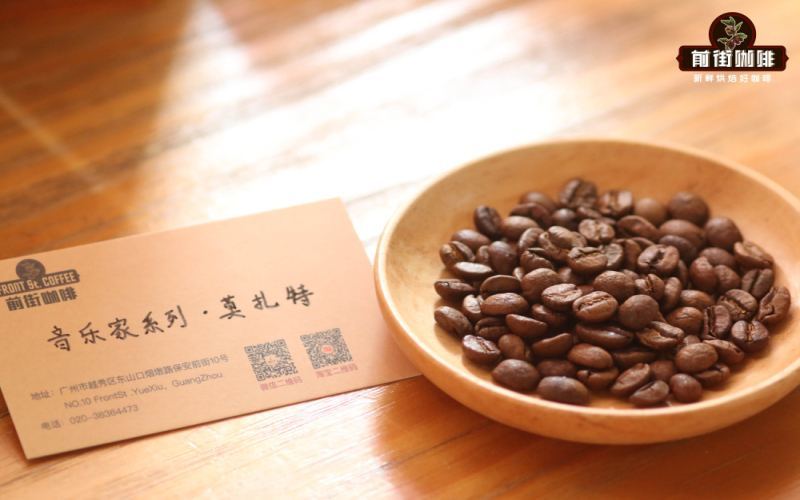
Costa Rican Coffee Bean Regions, Varieties, and Flavor Characteristics: Eight Major Producing Areas Including Tarrazú and Front Street Recommendations
Costa Rican coffee has long been renowned for its rich body and bright acidity, making it one of the representatives of high-altitude specialty Arabica. This article systematically reviews the country's main producing regions—Tarrazú, Monte Criso, Alajuela, Cartago, Heredia, and Tres Ríos—and introduces cultivars such as Typica, Caturra, Catuai, Villa Sarchi, Bourbon, and Gesha, as well as washed and drum-dried processing methods. The article also includes purchasing suggestions for Front Street Mozart, Front Street Strawberry Candy, and Front Street Tarrazú, helping coffee enthusiasts gain a comprehensive understanding of the flavor characteristics of Costa Rican coffee and how to choose it. [more…]
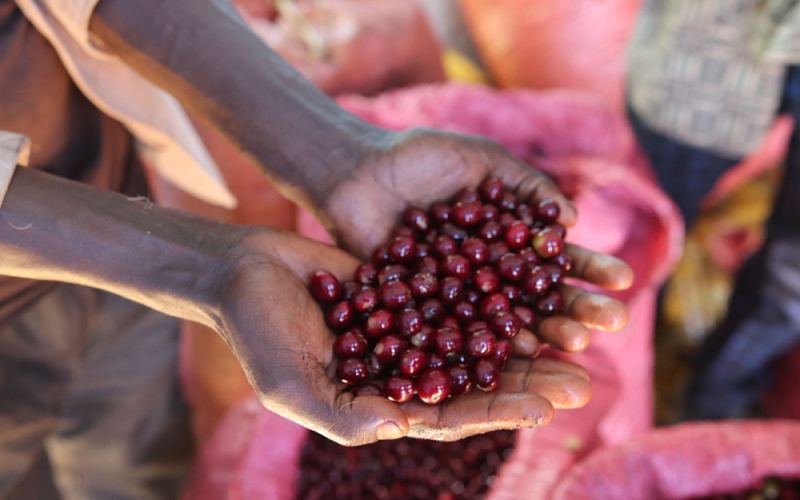
Ethiopia Sidamo Hambela Region Natural Sun-Dried Huakui Coffee Beans: A Guide to Making SOE Americano and Latte
As the birthplace of coffee, Ethiopia boasts a rich variety of cultivars and diverse flavor expressions, with each producing region showing distinctly different characteristics due to terroir differences. Sidamo and Yirgacheffe are both important specialty coffee regions; the former is famous for its natural processing method, and Front Street Coffee's Huakui is a highly representative single-origin example. Huakui comes from Hambela in the Guji region, located in Ethiopia's highest-altitude coffee sub-region, where natural processing gives it a mellow sweetness and complex layers. Starting from the producing region background and processing method, this article will further share how to make a delicious Huakui SOE Americano or latte at home, including grind adjustment, coffee-to-water ratio, and extraction details, to help coffee lovers consistently present its berry and citrus notes. [more…]
What flavor does jasmine-scented Phoenix Dancong have? A complete guide to Phoenix Dancong aroma types, tasting, and storage
Phoenix Dancong has always been famed for its rich aromas, among which the jasmine-scented type is especially unforgettable after just one sip. Starting from the actual flavor of light-aroma Phoenix Dancong, this article guides you through why it can present a pure fragrance almost like a natural bouquet, and what main types Phoenix Dancong can be divided into according to aroma profile. The article also explains in detail the flavor differences between spring tea and snowflake tea, suggested brewing parameters, its effects on health, and key points for everyday storage. Whether you are a beginner just getting to know Dancong or a tea lover wanting to learn more about floral-style oolong, you will find practical reference information here. Front Street Coffee will also draw on years of tea-selection experience to sort out these key points for you. [more…]
Colombian Coffee Flavor Characteristics and Huila Region Analysis: From Geography and Varieties to Front Street Brewing Practice
Colombia, as the world's third-largest coffee-producing country, is renowned for the superior terroir of the Andes Mountains and its rich variety of cultivars. This article systematically reviews the overall flavor characteristics of Colombian coffee, with a focus on analyzing the terroir conditions of specialty producing regions such as Huila, and provides a detailed introduction to the cultivation performance of varieties including Typica, Bourbon, Caturra, and Castillo in Colombia. It also covers coffee bean grading standards, washed processing methods, and the brewing parameters and flavor descriptions of products sold by FrontStreet Coffee such as the Colombian Geisha blend Hanami, offering coffee enthusiasts a complete framework for understanding Colombian coffee. [more…]
Flavor Analysis of Kenyan AB Grade Coffee Beans: A Comprehensive Interpretation of the K72 Washing Process and SL Series Varieties
Kenyan coffee occupies a unique place in the global specialty coffee landscape thanks to its bright fruit acidity and clean cup. This article begins with the Kenya AB Komatina Little Cranberry once offered by Front Street Coffee, and systematically walks through the geography and growing background of Kenya's producing regions, the lineage of the main cultivars SL28 and SL34, the specific meaning of grading standards such as AB and AA, and a detailed breakdown of the complete K72 double-fermentation washed process. The article also includes Front Street's roasting curve analysis for this bean and its in-store brewing parameters, helping you fully understand what gives Kenyan coffee its acidic, aromatic flavor and how to bring out its balanced, juicy side through brewing. [more…]
Overview of Common Varieties in Indonesian Coffee Regions: From S795 to a Analysis of Distinctive Flavors
Indonesian coffee is known for its unique flavors and growing conditions, and its common variety composition also differs from other producing regions. This article focuses on the coffee varieties widely planted in Indonesia, with emphasis on the origin, cultivation advantages, hybridization background, and flavor characteristics of S795 (locally called Jember), and also mentions major producing regions such as Bali and Sulawesi. By sorting through this background information, it helps coffee lovers understand the varietal logic of Indonesian coffee, while also retaining related recommendations and product information from the Front Street brand. [more…]
A Comprehensive Analysis of the Origin, Grading System, and Flavor Characteristics of Kenyan Coffee
Kenya is a major representative of African specialty coffee. Although it borders Ethiopia, the true development of its coffee industry went through a tortuous process, from introduction from Yemen to the arrival of Brazilian Bourbon seedlings. Today, Kenya's coffee industry is centered on producing regions such as Nyeri, Kirinyaga, and Murang'a, with SL28, SL34, and other varieties as the main cultivars, and it has developed a refined grading system from E to MH/ML. Kenyan coffee is mostly washed, and is known for its distinct berry and fruit notes, sweet aroma, and firm acidity. This article will systematically sort out the origins, current status, grading system, and flavor characteristics of Kenyan coffee, helping coffee enthusiasts gain a comprehensive understanding of the unique charm of this producing region. Front Street Coffee will also combine product information to provide readers with more specific references. [more…]
The Origin of Arabica Coffee, Its Varietal Characteristics, and a Comparative Analysis with Robusta
Arabica coffee, with its outstanding aroma and flavor, accounts for over seventy percent of global coffee production and is unquestionably the star of the specialty coffee world. However, this variety has weak resistance to diseases such as leaf rust, prompting producing regions to continuously improve cultivars. This article traces the historical origins of Arabica, outlines the characteristics of its original species and main subspecies, compares it with Robusta beans, and introduces related products from Front Street Coffee, helping enthusiasts gain a more comprehensive understanding of this coffee variety. [more…]

Taiwan Tea No. 18 Ruby Black Tea Brewing Guide: Water Temperature, Time, Flavor Characteristics, and Authentic Origin Analysis
Taiwan Tea No. 18 Ruby Black Tea is a unique cultivar developed by the Taiwan Tea Research and Extension Station, grown beside Sun Moon Lake in Yuchi Township, Nantou. It is a hybrid of the Burmese Assam strain and native Taiwanese wild mountain tea. The liquor is deep amber in color, with a complex aroma of mint, eucalyptus, pepper, and jam, very low astringency, and a clean, rich flavor. For brewing, it is recommended to steep it in 90°C hot water for 3 to 4 minutes, and it can be re-steeped multiple times. The Ruby Black Tea and Ruby GABA Black Tea recommended by Front Street Coffee are both worth trying. This article will guide you through this cultivar's origins, flavor characteristics, and the best brewing methods. [more…]
One of Brazil's four main coffee varieties: An analysis of Catuaí's hybrid origins, flavor shortcomings, and cultivation characteristics
Catuai is an important cultivar in the Brazilian coffee industry, bred from a cross between Mundo Novo and Caturra, and together with Caturra, Mundo Novo, and Bourbon, it is known as one of Brazil's four mainstays. It inherits Caturra's short stature while also possessing strong resistance to wind and rain, as well as the advantages of bearing solid fruit that does not easily drop, compensating for the fragility of Arabica cherries. However, Catuai's flavor performance is relatively flat, with low acidity and astringency, prominent sweetness, and an overall balance that lacks complexity and body, and the tree's harvest lifespan is only about ten years. Catuai comes in red and yellow varieties, and statistically, red cherries win awards more often. Front Street Coffee believes that although Catuai does not deliver stunning performance, it is an important part of understanding Brazil's coffee variety system. [more…]
A Detailed Guide to Yirgacheffe Coffee Bean Grading: G1 Flavor Characteristics and Comparison with Other Ethiopian Beans
Yirgacheffe, as a representative of Ethiopian specialty coffee, has a grading system that directly affects flavor expression and quality consistency. Ethiopian coffee beans are divided into five grades based on standards such as defect rate, with G1 being the highest level. However, Ethiopian beans appear uneven due to their wide variety of cultivars, with long beans and short beans mixed together, especially in Grade 4 or Grade 5 commercial beans. This article provides a detailed analysis of Yirgacheffe's grading system and an in-depth discussion of Ethiopian coffee beans' appearance characteristics, flavor advantages, and roasting challenges, while also comparing the differences between washed and natural processing to help coffee enthusiasts gain a more comprehensive understanding of this legendary region. The various Yirgacheffe G1 products recommended by Front Street Coffee are ideal choices for experiencing its citrus floral aroma and sweet-tart flavor. [more…]
Is Huangzhixiang Dancong a light-aroma or strong-aroma type? A core comparison of Songzhong and Huangzhixiang Dancong
Phoenix Dancong is renowned for its rich variety of aroma types, among which Yellow Branch Aroma is highly favored for its elegant fragrance reminiscent of gardenia flowers. Starting from the degree of fermentation and roasting, this article answers whether Yellow Branch Aroma Dancong belongs to the light-aroma or strong-aroma type, and sorts out the differences between Songzhong Dancong and Yellow Branch Aroma Dancong in terms of cultivar origin, aroma characteristics, and flavor performance. It also introduces the production background of Phoenix Dancong, its ancient mother tree resources, and the brewing and re-steeping characteristics of Yellow Branch Aroma, helping coffee and tea enthusiasts gain a clearer understanding of this Guangdong oolong. The article also retains recommendation information related to the Front Street brand. [more…]
A Complete Guide to Costa Rica's Coffee Regions: From History and Varieties to Seven Elevation-Based Grades
Why has Costa Rican coffee secured a place for itself on the global specialty coffee map? This article begins with the geography and history of its producing regions, tracing how the volcanic soil and climate conditions of this Central American country shape Arabica beans with bright acidity and balanced flavor. The article will also introduce the characteristics of major cultivated varieties such as Bourbon, Caturra, and Catuai, especially Caturra's performance in adaptability and productivity. Finally, we provide a detailed explanation of Costa Rica's unique coffee bean grading system—divided into seven grades including SHB, HB, and SH based entirely on coffee farm elevation—helping enthusiasts quickly understand the meaning of the abbreviations on bean bags and the quality they indicate. [more…]